
Restoration Services in Tega Kay
Local Damage Restoration Expertise
Water damage and mold don't wait. In Tega Cay, our damage restoration service and mold remediation teams respond fast to protect your lakefront home or hillside property from wood rot, structural damage, and health risks.
The moisture from Lake Wylie and the forested terrain create conditions where mold thrives in crawl spaces, basements, and hidden areas. We diagnose the root cause, extract water, remediate mold, and restore your home to safe, dry condition.
How We Work
From emergency response to final restoration, every step is documented and transparent.
Assessment
We inspect water entry points, moisture levels in walls and crawl spaces, and mold extent. Gear includes thermal imaging to spot hidden damage.
Water Extraction
Industrial pumps and dehumidifiers remove standing water and lower moisture to safe levels before mold sets in.
Mold Remediation
We contain affected areas, remove mold colonies, and apply EPA-approved treatment to prevent regrowth in your Tega Cay home.
Restoration
Replace drywall, flooring, cabinets, and structural materials. Rebuild crawl spaces with vapor barriers to stop future moisture intrusion.
You'll always know what's happening next—and why each step matters for your home's safety.
Our Services
We handle everything water and mold damage can throw at your Tega Cay property.
Water Damage Extraction
Burst pipes, floods, and roof leaks hit fast in neighborhoods like Heron Harbor and Lake Ridge. We pump out water, dry walls and floors, and stop mold before it spreads into wood and insulation.
- Moisture detection in hidden areas
- Industrial dehumidifiers and air movers
- Structural drying before reconstruction
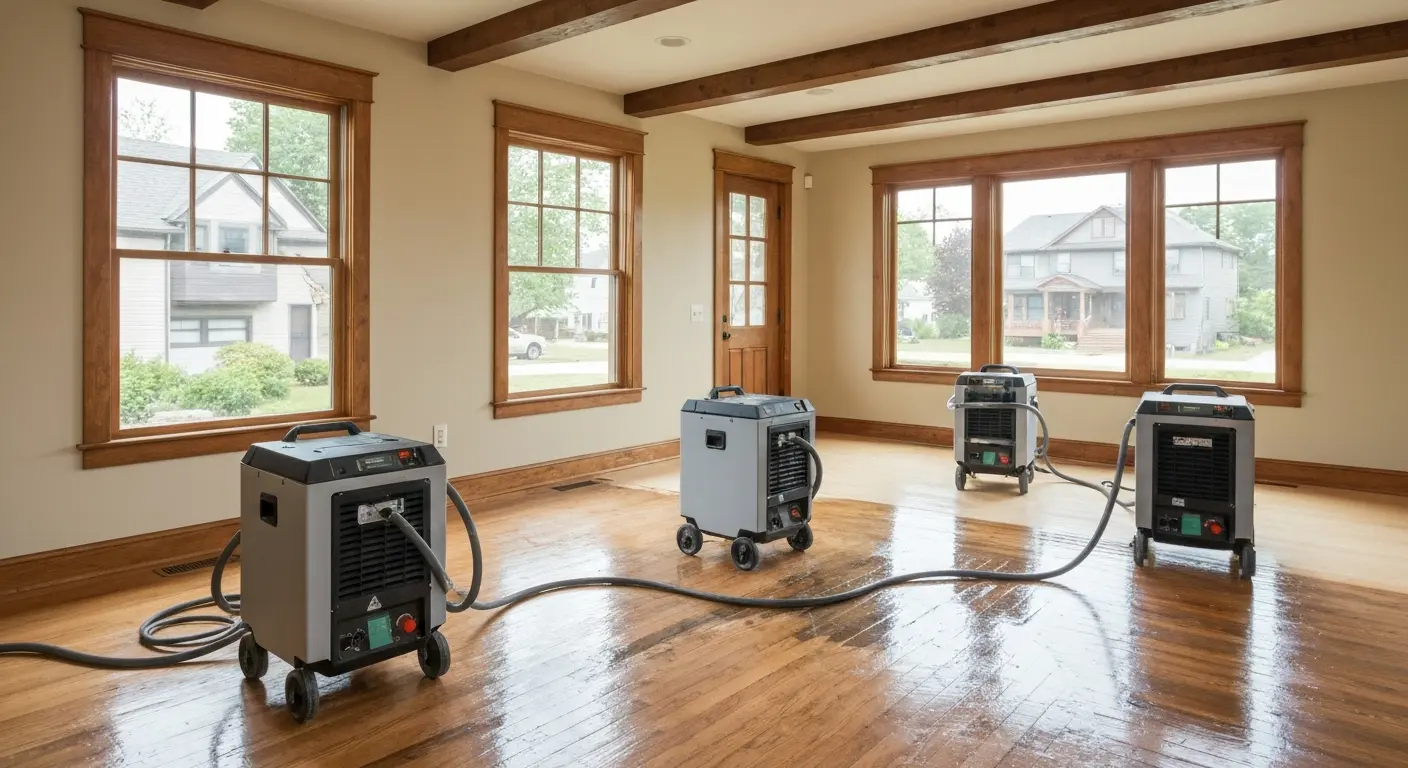
Water extraction in progress at a Lake Ridge property, preventing mold colonization.
Mold Remediation
Mold thrives in Tega Cay's humid, forested climate—especially in crawl spaces below hillside homes. We isolate the mold, remove contaminated materials, and treat surfaces to stop regrowth.
- IICRC-certified technicians
- EPA-approved antimicrobial treatments
- Air quality testing and clearance
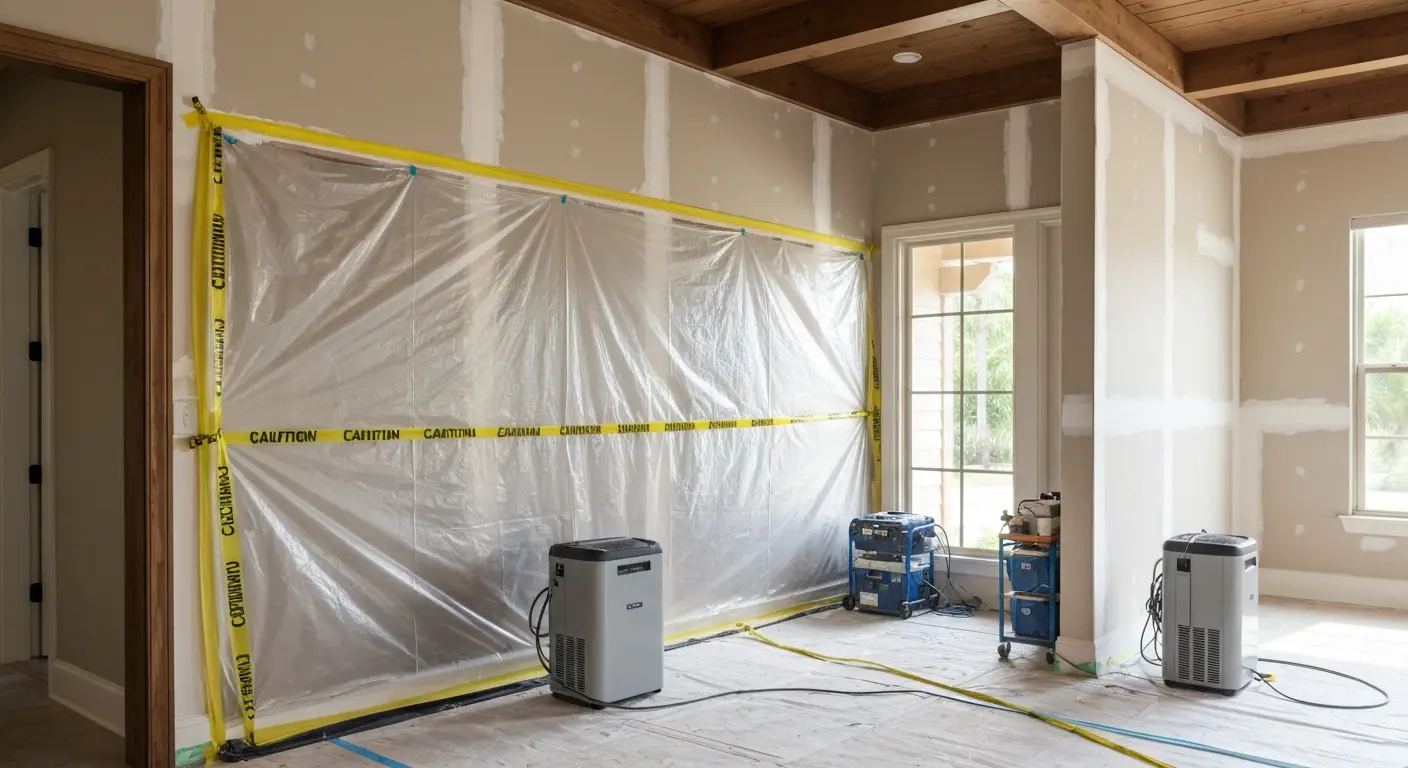
Containment barrier set up during mold remediation near Hunters Run.
Fire and Smoke Damage
Smoke and heat penetrate walls, ceilings, and HVAC systems. We clean soot, neutralize odors, and restore your Tega Cay home to livable condition after fire loss.
- Soot and residue removal
- Thermal imaging for heat damage
- Complete odor neutralization
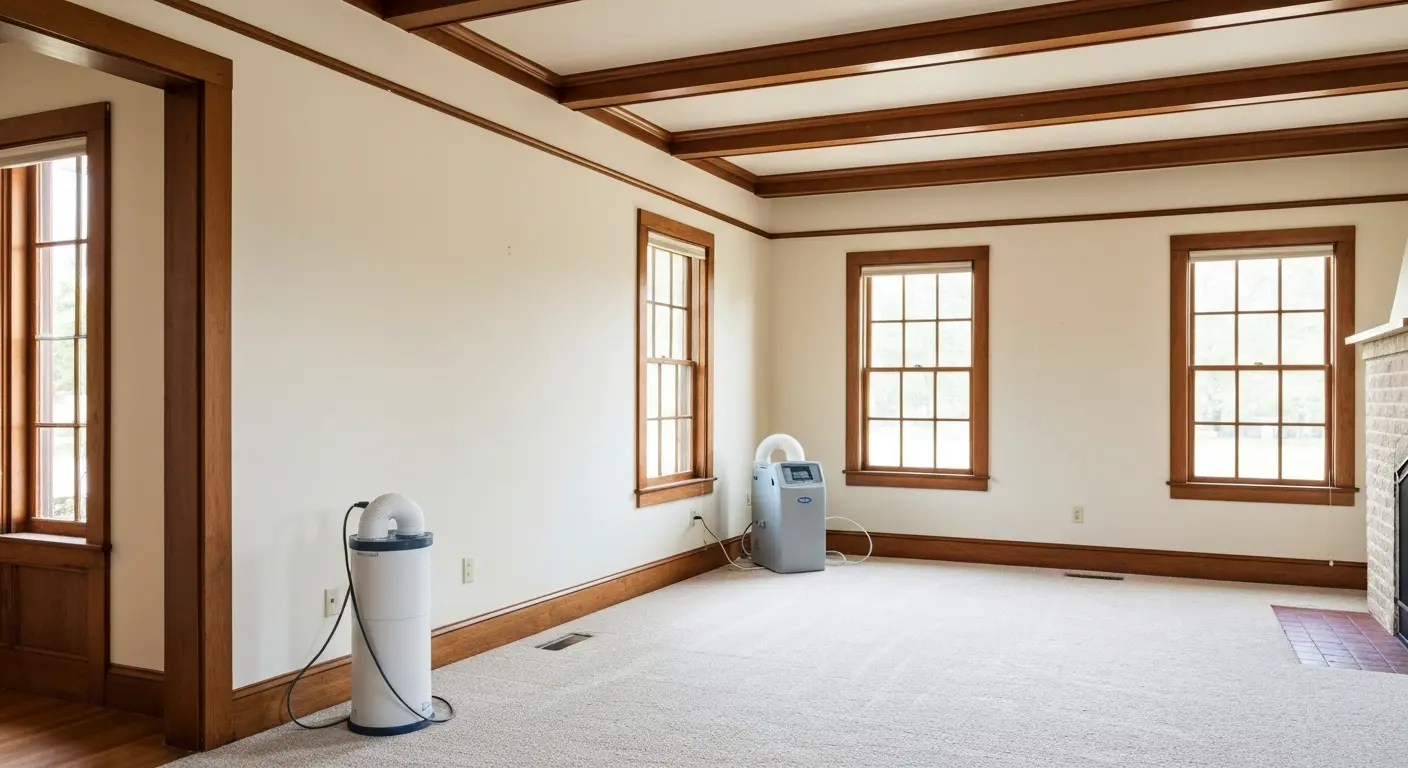
Smoke remediation in a Fairway Point home, restoring air quality and surfaces.
Crawl Space Protection
Hillside lots and proximity to Lake Wylie mean crawl spaces absorb ground moisture. We install vapor barriers and dehumidifiers to block mold before it starts.
- Crawl space encapsulation
- Sump pumps and drainage
- Ongoing moisture monitoring
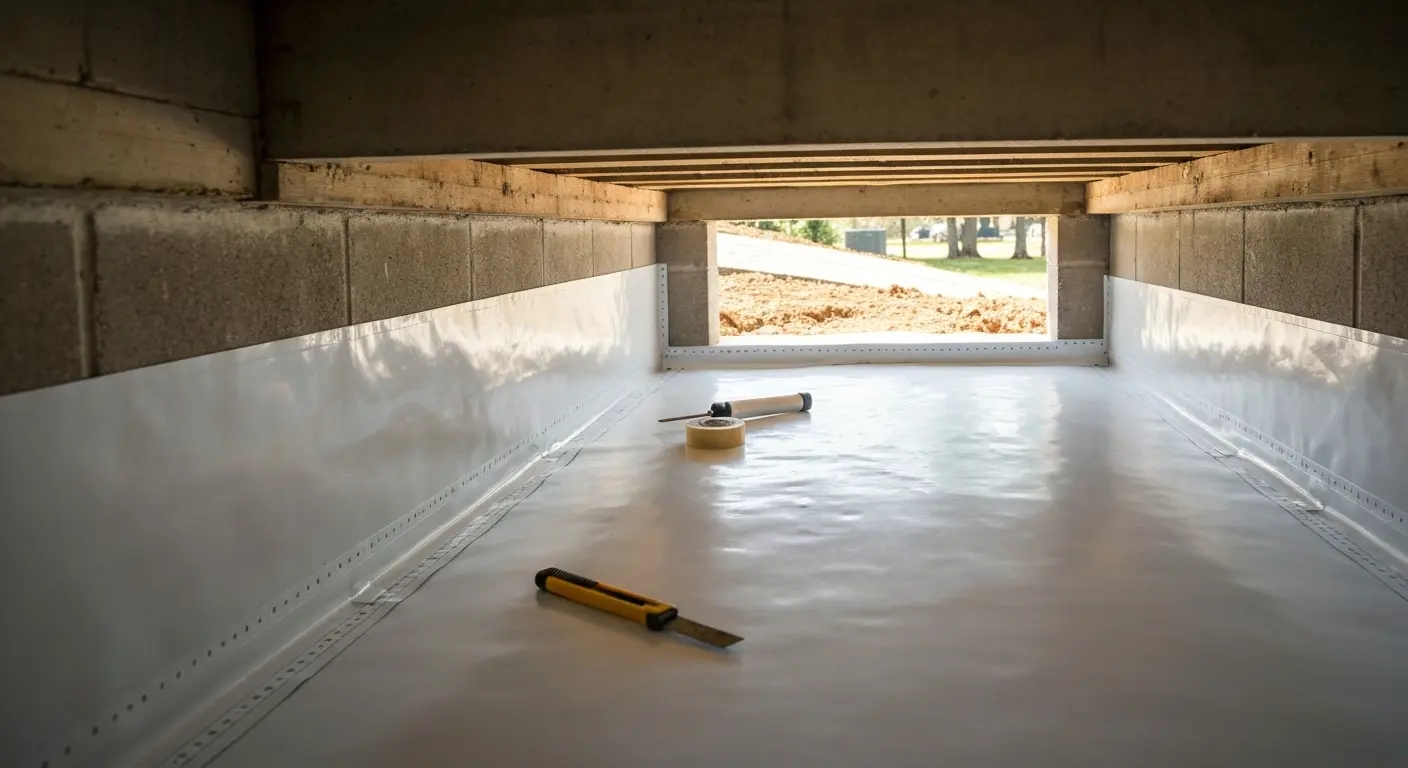
Vapor barrier installation protecting a home's foundation in Cameron Creek.
Why Local Expertise Matters
Tega Cay's waterfront and forest landscape creates specific challenges. We know them.
Lake Wylie Humidity
High water levels and summer heat mean constant moisture in the air. Mold doesn't need a flood—it grows in basements and crawl spaces from background humidity alone.
We use year-round moisture monitoring and vapor barriers to keep mold dormant, not just react after growth appears.
Upscale Home Value
Tega Cay homes are substantial investments. Damage left untreated tanks resale value and creates health risks. We restore to pre-loss condition using quality materials and IICRC standards.
Hilly Terrain & Foundations
Densely forested hillside lots shed water downslope. Poor drainage around foundations causes seepage into basements and crawl spaces. We assess grading and drainage to stop the source.
Coverage Area
Serving all neighborhoods and landmarks across Tega Cay, SC.
Waterfront Neighborhoods
Fairway Point, Heron Harbor, Lake Ridge, Brooksmill, and Windsong Bay face year-round moisture challenges from Lake Wylie. We secure foundations and crawl spaces against seepage.
Hillside & Forested Areas
Cameron Creek, Serenity Point, and Amber Woods sit on densely forested slopes. Runoff and shade create ideal mold conditions. We address moisture at the source.
Active-Adult Communities
Courtyards at Tega Cay and Calloway townhomes need quick, efficient restoration. We minimize disruption and work with property management on scheduling.
Getting Here
From US-77, turn east onto Tega Cay Drive. We serve the entire planned community—all neighborhoods off Tega Cay Drive and its side streets including Highway 200 corridor.
Available 24/7. Call to schedule emergency assessment or damage inspection.
Common Questions
What causes mold in Tega Cay homes?
Proximity to Lake Wylie, high ground moisture, and forested shade create humid conditions year-round. Crawl space seepage and slow-drying drywall are common culprits.
Does my homeowner's insurance cover water and mold damage?
Most policies cover sudden damage (burst pipes, storms). Gradual moisture intrusion and poor maintenance are typically excluded. We help document claims and work with adjusters.
How do I know if I have mold in my crawl space?
Musty odors, allergy symptoms when at home, or visible growth in damp corners are warning signs. We use thermal imaging and air sampling to confirm hidden mold.
Can you handle large water damage jobs?
Yes. We have industrial-grade equipment, crew capacity, and experience with floods, burst pipes, and roof leaks across Tega Cay residences and commercial properties.
Will my home be safe to enter during restoration?
We contain hazard zones and test air quality before clearing. You can stay during non-invasive work. Major reconstruction may require temporary relocation; we'll advise.
Can you prevent future mold?
Absolutely. After remediation, we install vapor barriers, dehumidifiers, sump pumps, and drainage solutions tailored to Tega Cay's lakefront and forested conditions.
DISCOVER WHAT OUR CUSTOMERS HAVE TO SAY ABOUT US
REVIEWS
proudly serving these areas
Matthews, NC
Mint Hill, NC
Charlotte, NC
Indian Trail, NC
Stallings, NC
Hemby Bridge, NC
Marvin, NC
Weddington, NC
READY TO take the next step?
get a free quote TODAY!

QUICK LINKS
our services
service areas
operating HOURS
Mon: 12:00 am - 11:59 pm
Tue: 12:00 am - 11:59 pm
Wed: 12:00 am - 11:59 pm
Thu: 12:00 am - 11:59 pm
Fri: 12:00 am - 11:59 pm
Sat: 12:00 am - 11:59 pm
Sun: 12:00 am - 11:59 pm